
 Shop
ShopThe jacket
Her father asks one question at the kitchen table. Nora gives the answer that costs the least. For now.
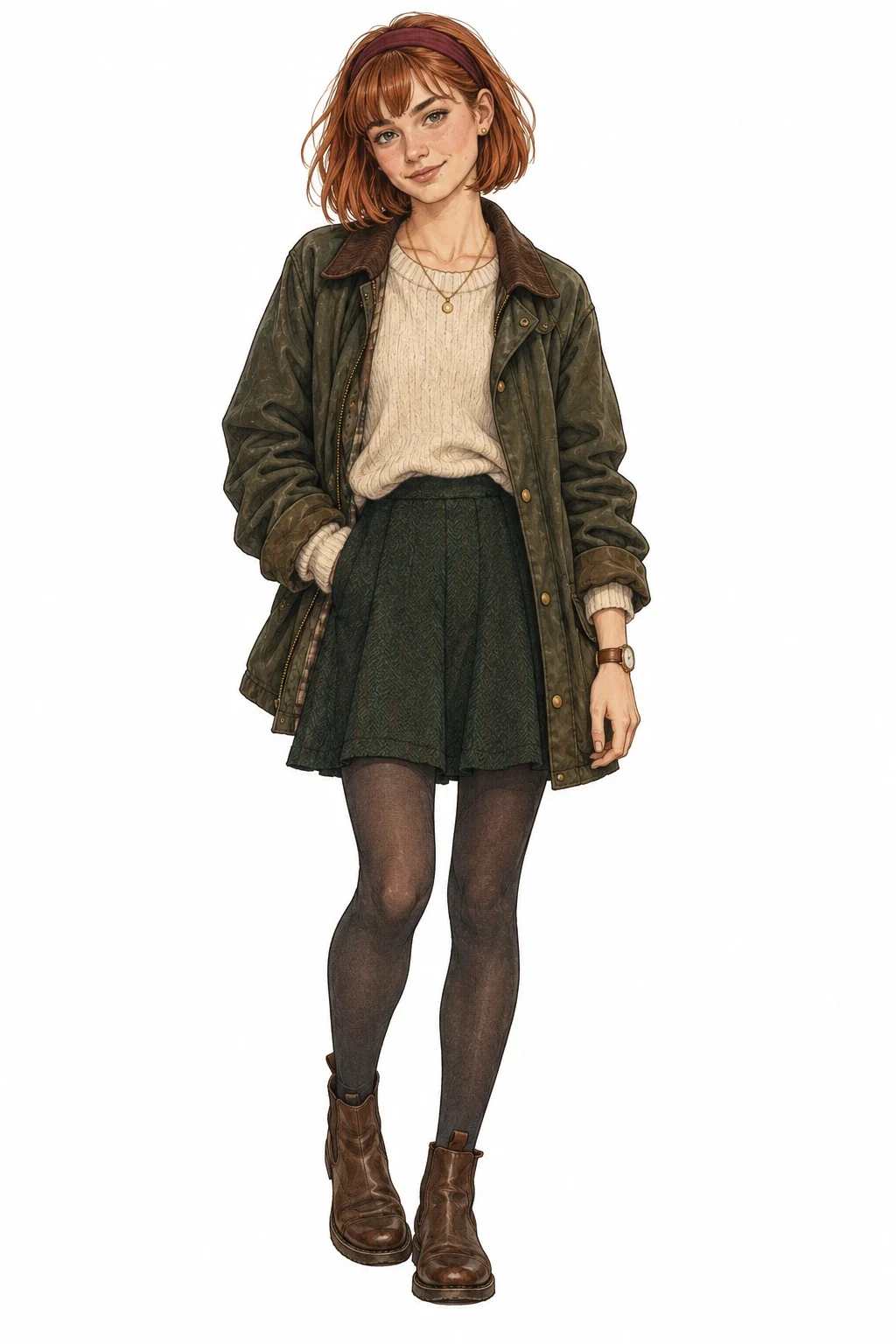
The jacket hung in the hallway for years before it was hers. Dark green, waxed cotton, a corduroy collar gone soft at the edges. Her father wore it on building sites until the zip gave up on him. Nora took it on a rainy evening when she was fifteen, because her own was wet, and never gave it back. He still calls it "my jacket" when he means her.
Tonight he is at the kitchen table with the laptop open, which is never a good sign. Quotes. Invoices. A customer who hasn't paid. Her mother is on a late shift. Her little brother is pretending to do homework in the next room, loudly.
"Sit down a second," her father says. He turns the screen so she can see a spreadsheet she doesn't understand. "Twenty years in March," he says. "I'm not going to do this forever." He doesn't say the rest. He doesn't have to. The company has his name on the van and, if he had his way, hers on the door one day.
Nora knows three true things at once. She can do this; she has wired a lamp and changed every fuse in the house since she was twelve. She loves him for asking. And in her desk drawer there is a drawing of a building that nobody has seen.
"Maybe," she says. It is the smallest word she owns. He nods as if it were a yes, closes the laptop and goes to find her brother. Nora stays at the table in the too-big jacket, sleeves over her hands, and thinks about how "maybe" feels like kindness tonight and will feel like a lie by spring.
Nora said "maybe" to buy time. Was that kind, or was it unfair to him? When is a half answer the honest one, and when is it just the easy one?
Two points of view
He built something with his hands for twenty years and would like it to outlive him. Asking his daughter is the biggest compliment he knows how to give.
She doesn't want to be handed a life, even a good one. But she also doesn't want to be the one who ends what he started.
The story does not end here.
You might have seen it differently. That is part of the point.